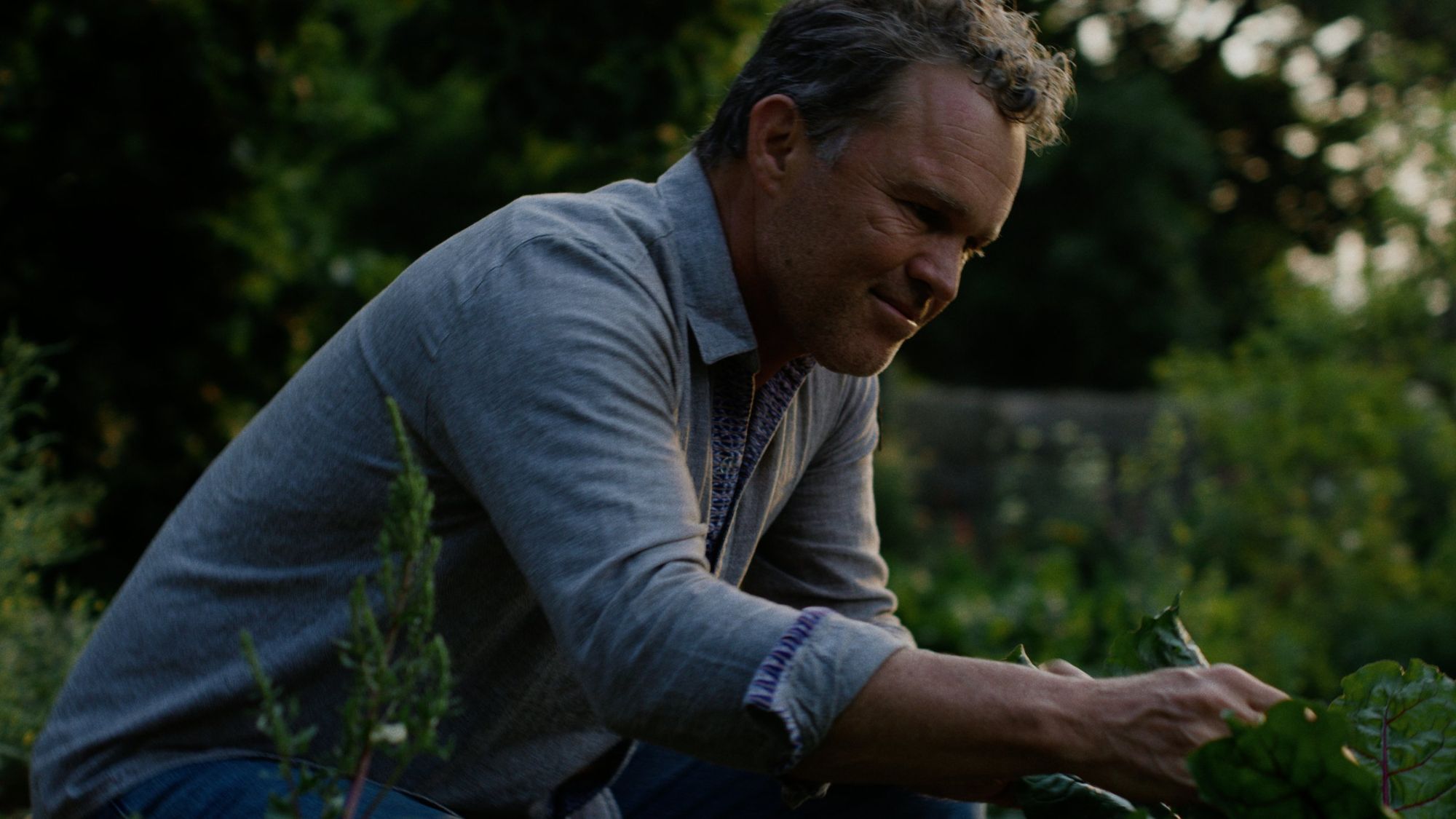
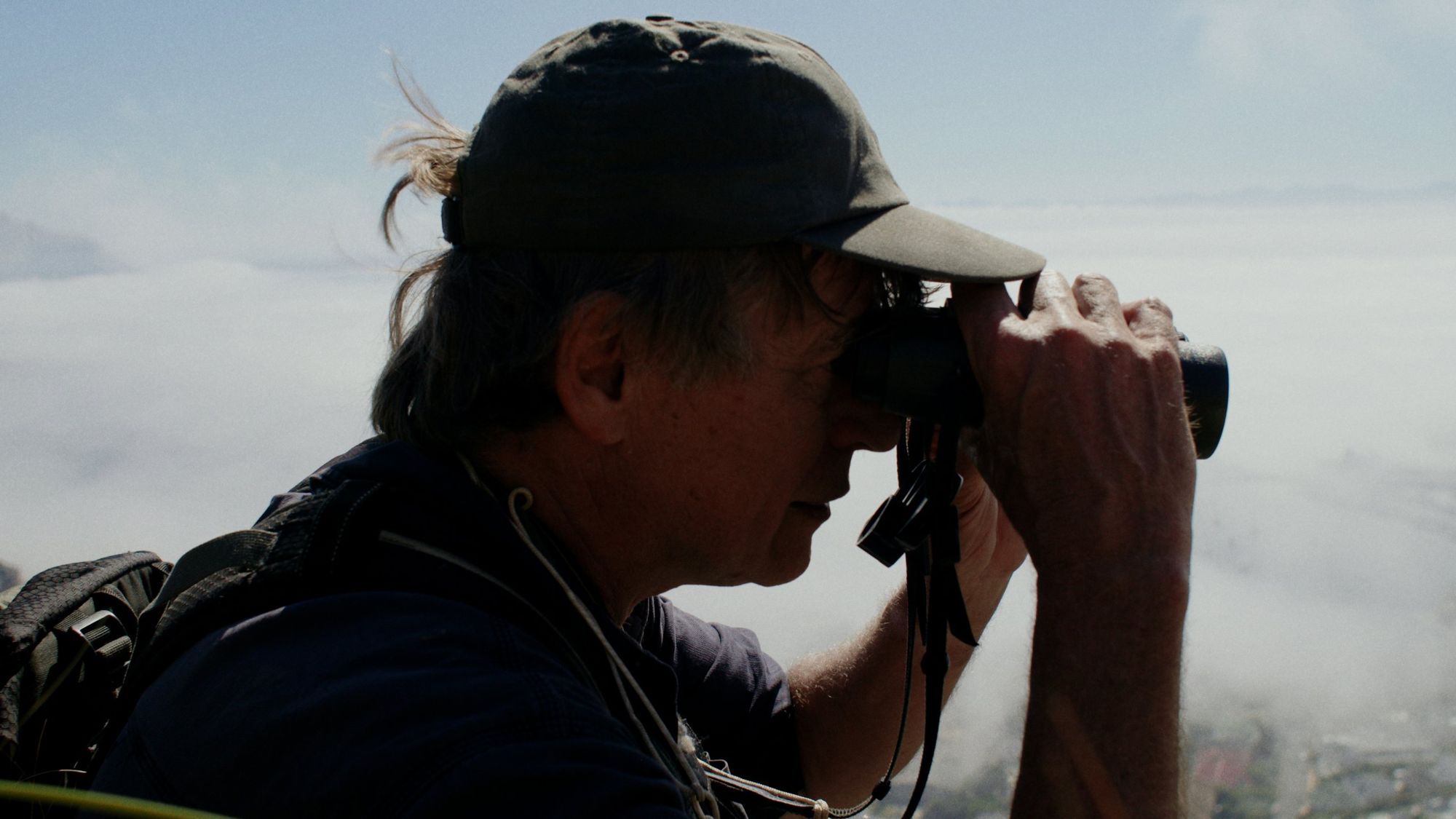
Dr Dave Gaynor
Primatologist & Conservation Biologist
The scientific and historical backbone of the film, after decades with the Peninsula baboons.
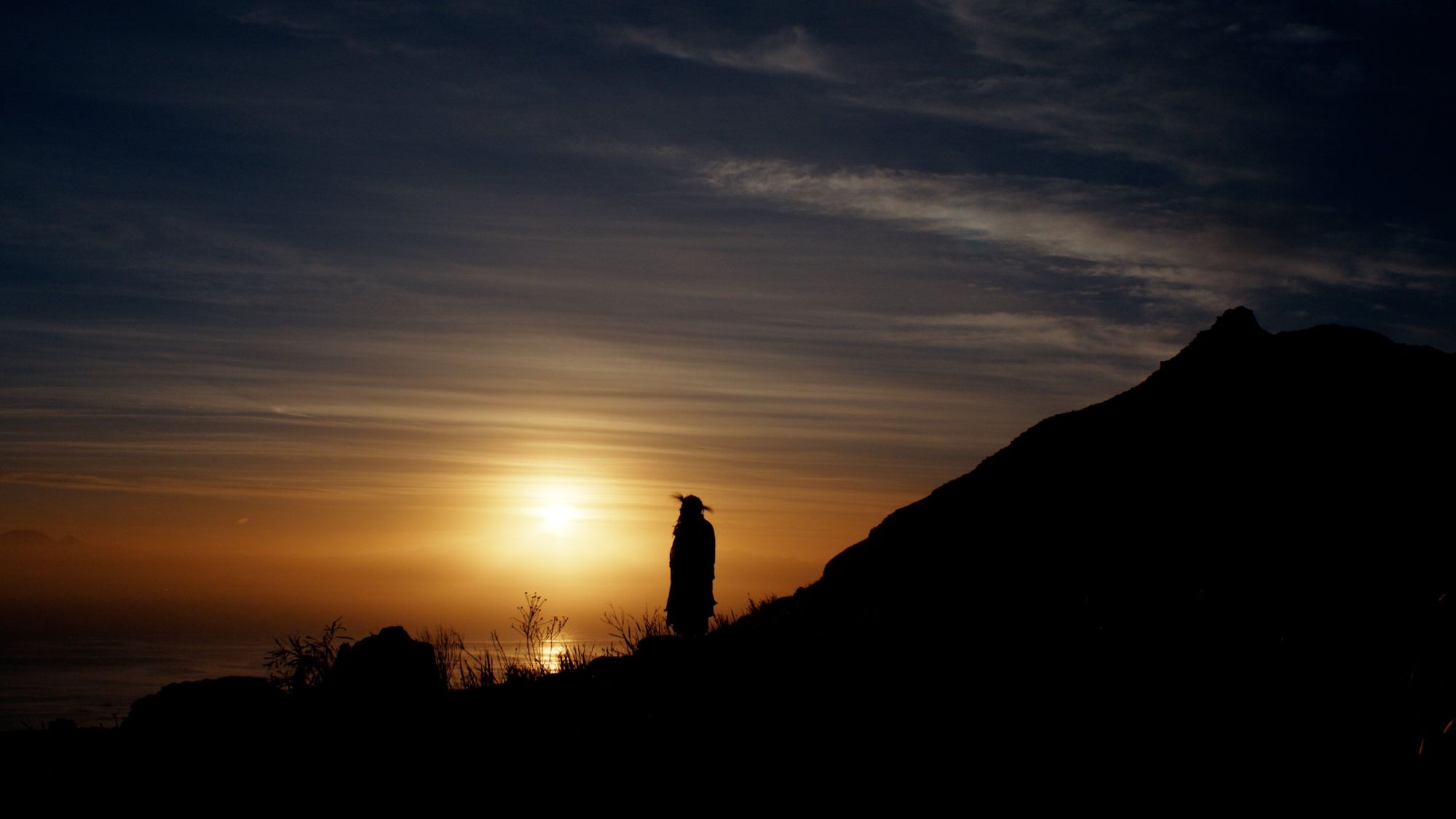
A film for the baboons of the Cape Peninsula.
A local story that speaks to a global crisis. As our cities and villages continue to grow, wilderness is becoming smaller and wildlife is being pushed into increasingly limited spaces.
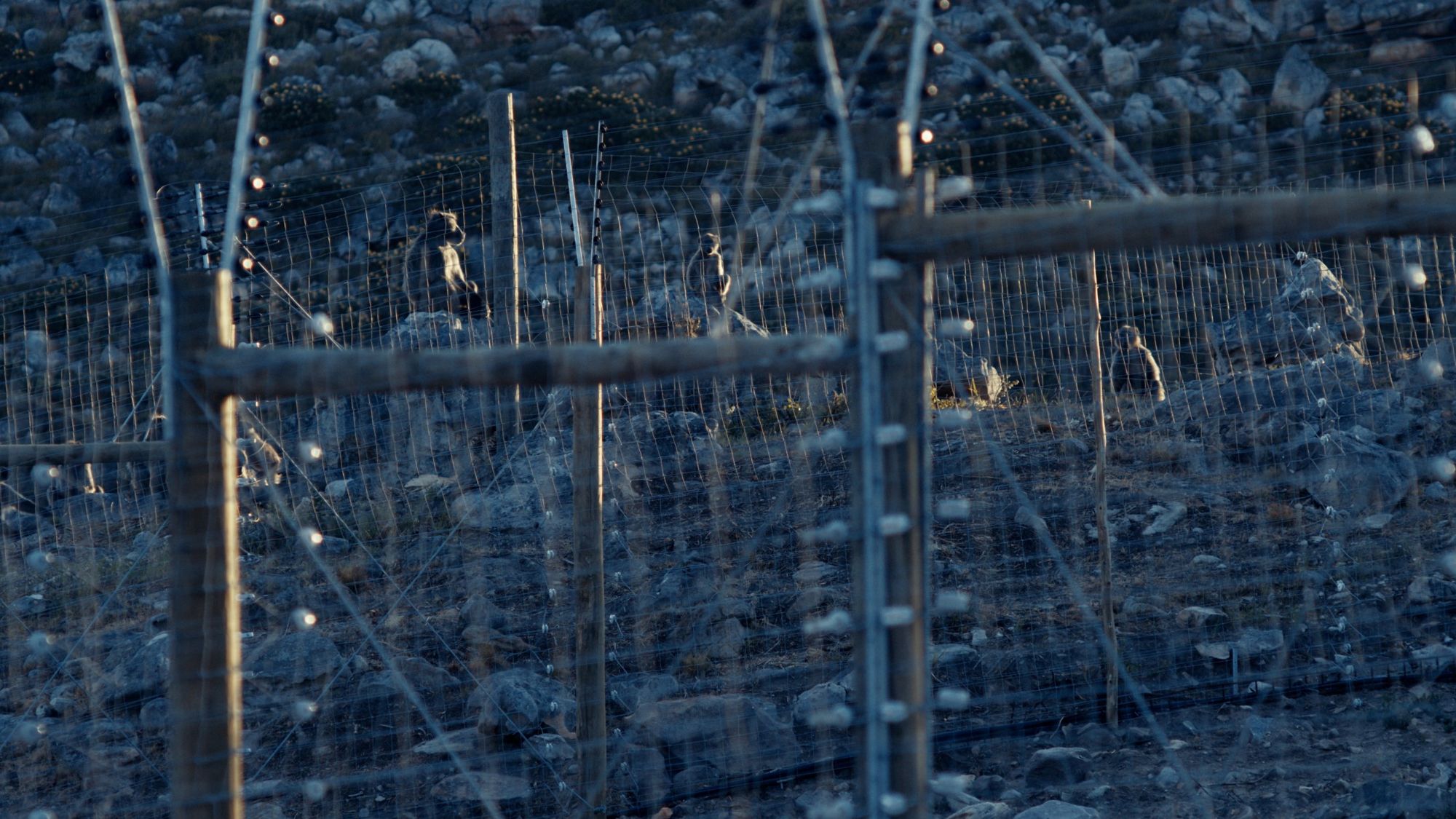
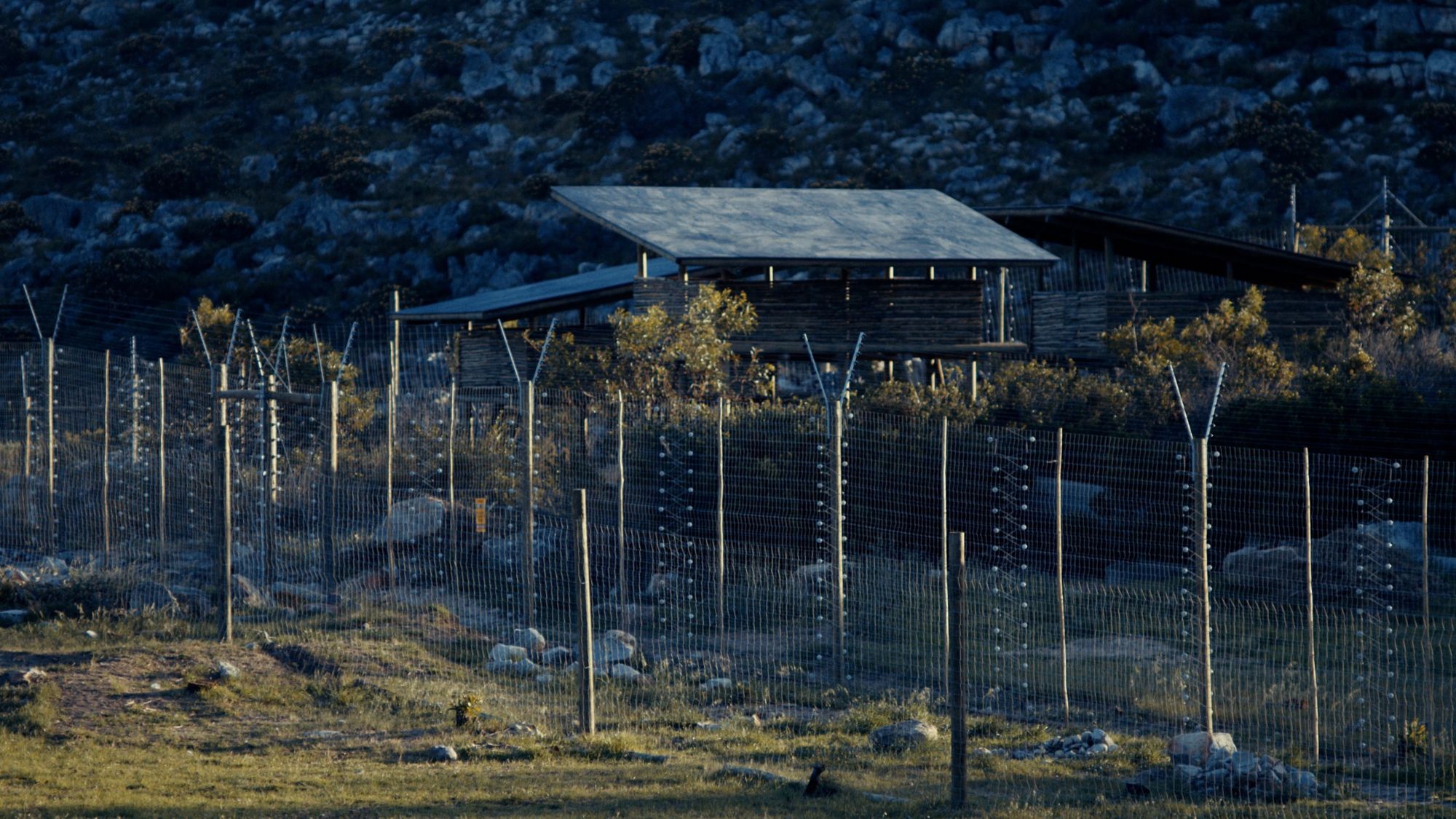
On the Cape Peninsula, this tension has reached a critical point. Wild baboon troops that have lived here for generations are now facing a future behind fences.
What are we willing to do to protect the wild, and are we still willing to make space for it?
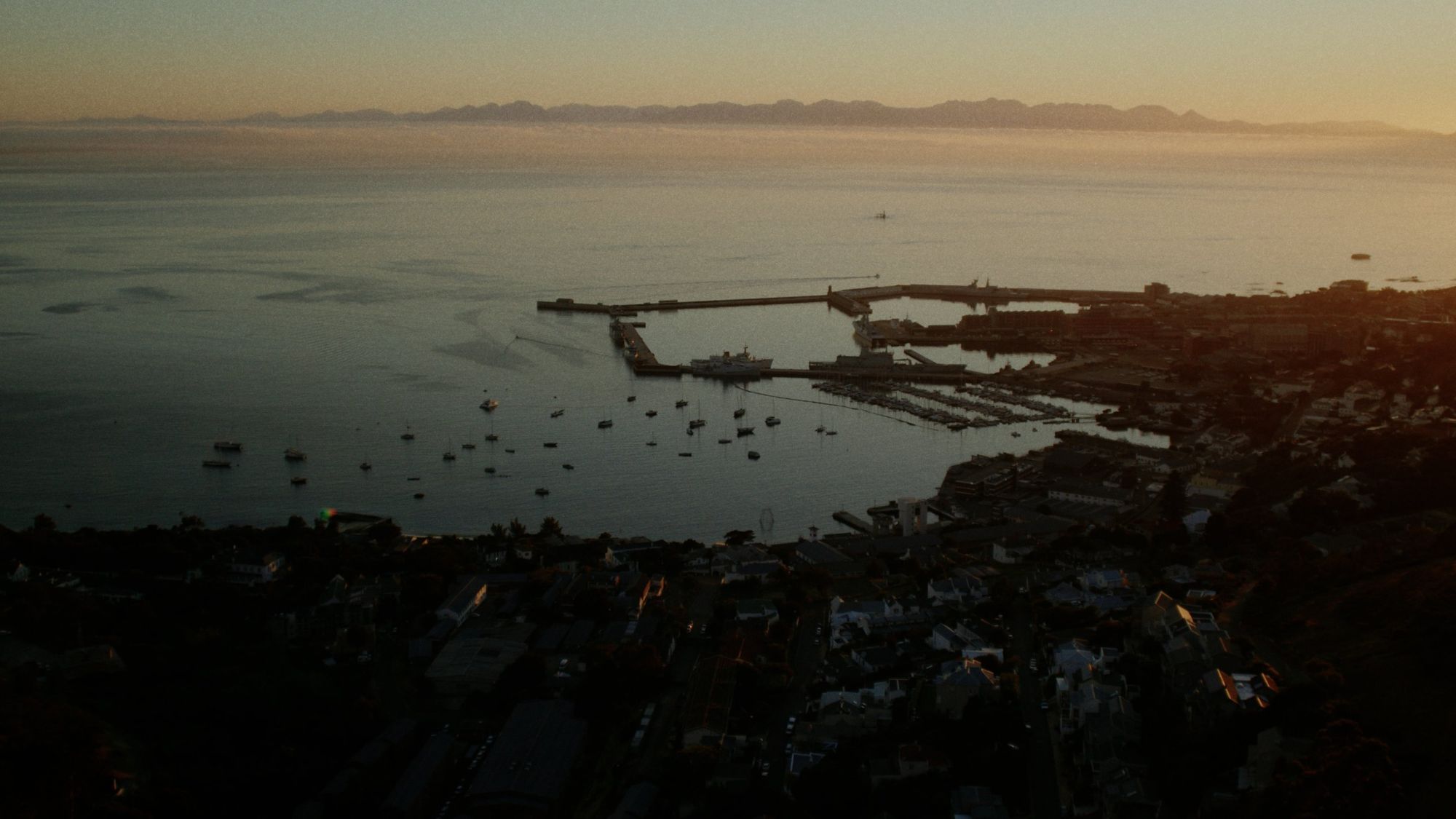
The Cape Peninsula baboons live on one of the most dramatic edges between wilderness and human development in the world.
As their habitat becomes increasingly fragmented, conflict with people has grown. Homes are raided, communities are frustrated and authorities face the difficult task of managing intelligent wild animals inside an expanding city.
Now, some troops face being permanently enclosed.
Through scientists, conservationists, Indigenous voices, spiritual leaders, activists, residents and those responsible for managing the baboons, the film explores how we arrived here and what might happen next.
At its heart, this is not only a film about baboons. It is about our relationship with nature.
The proposed enclosure makes this story urgent, but the issue reaches far beyond Cape Town.
Across the world, wildlife is being forced into smaller spaces as human development expands. Animals are expected to adapt to us, while we rarely ask how we might adapt to them.
How much space are we prepared to share with other species?
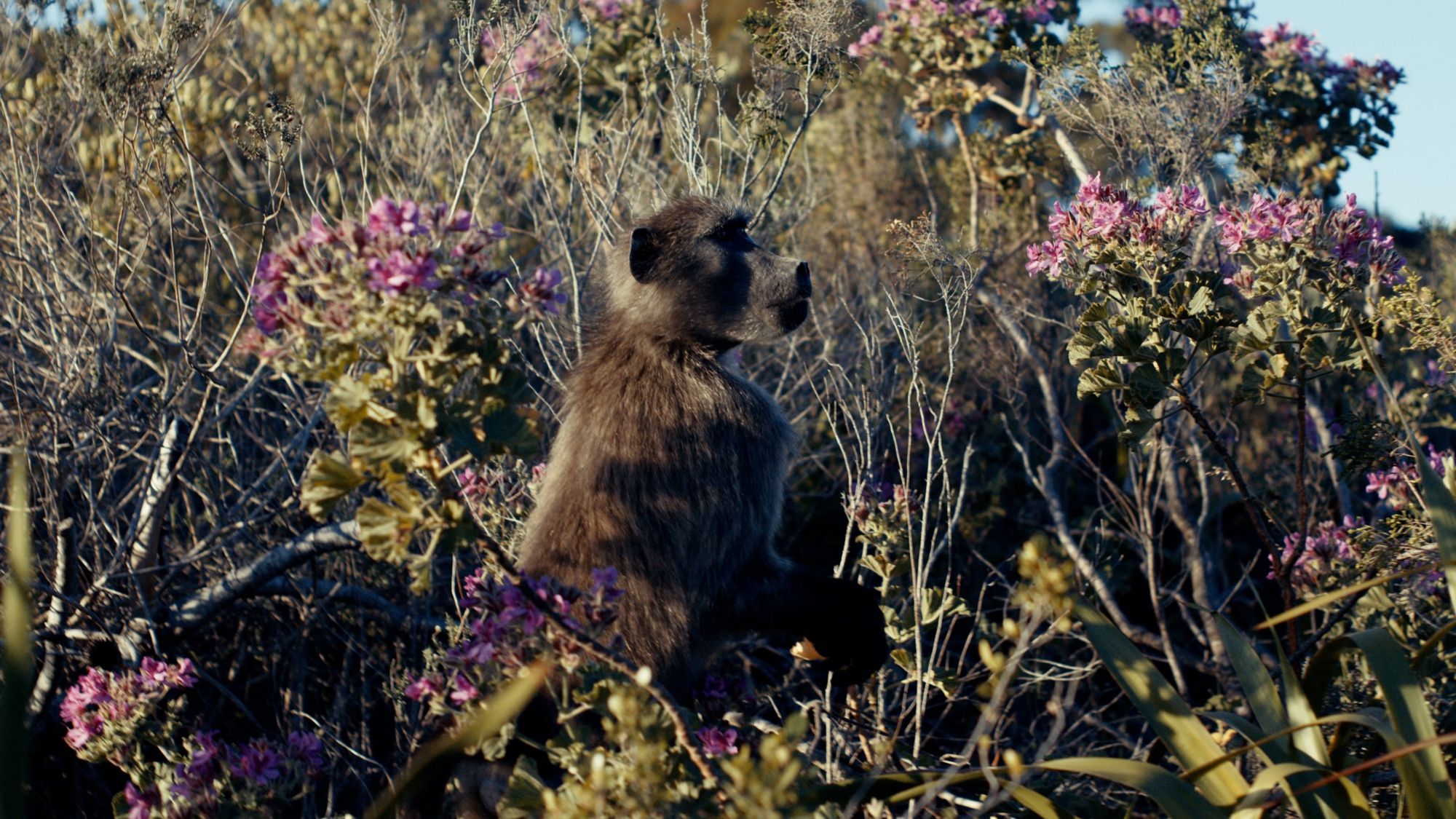
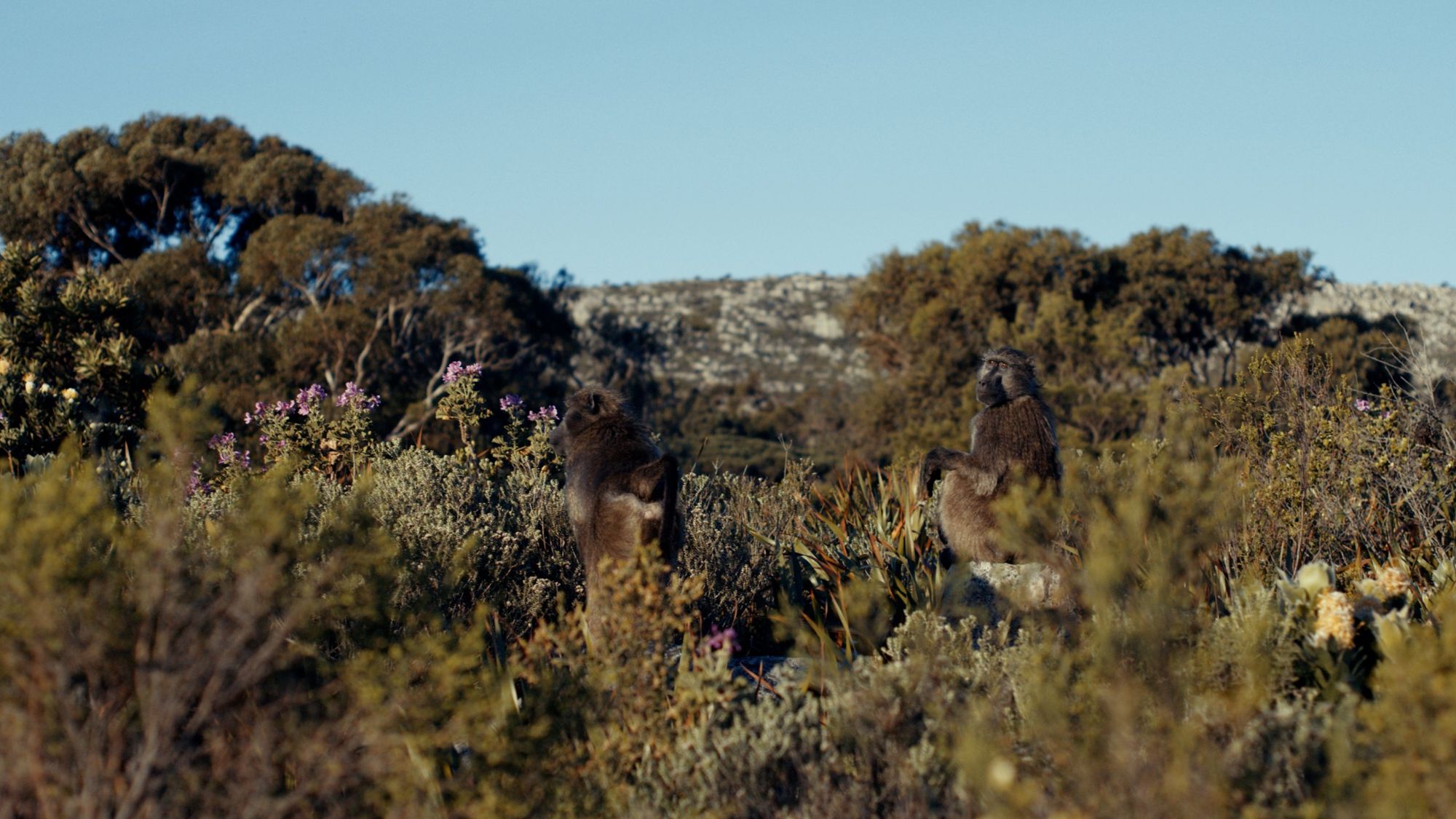
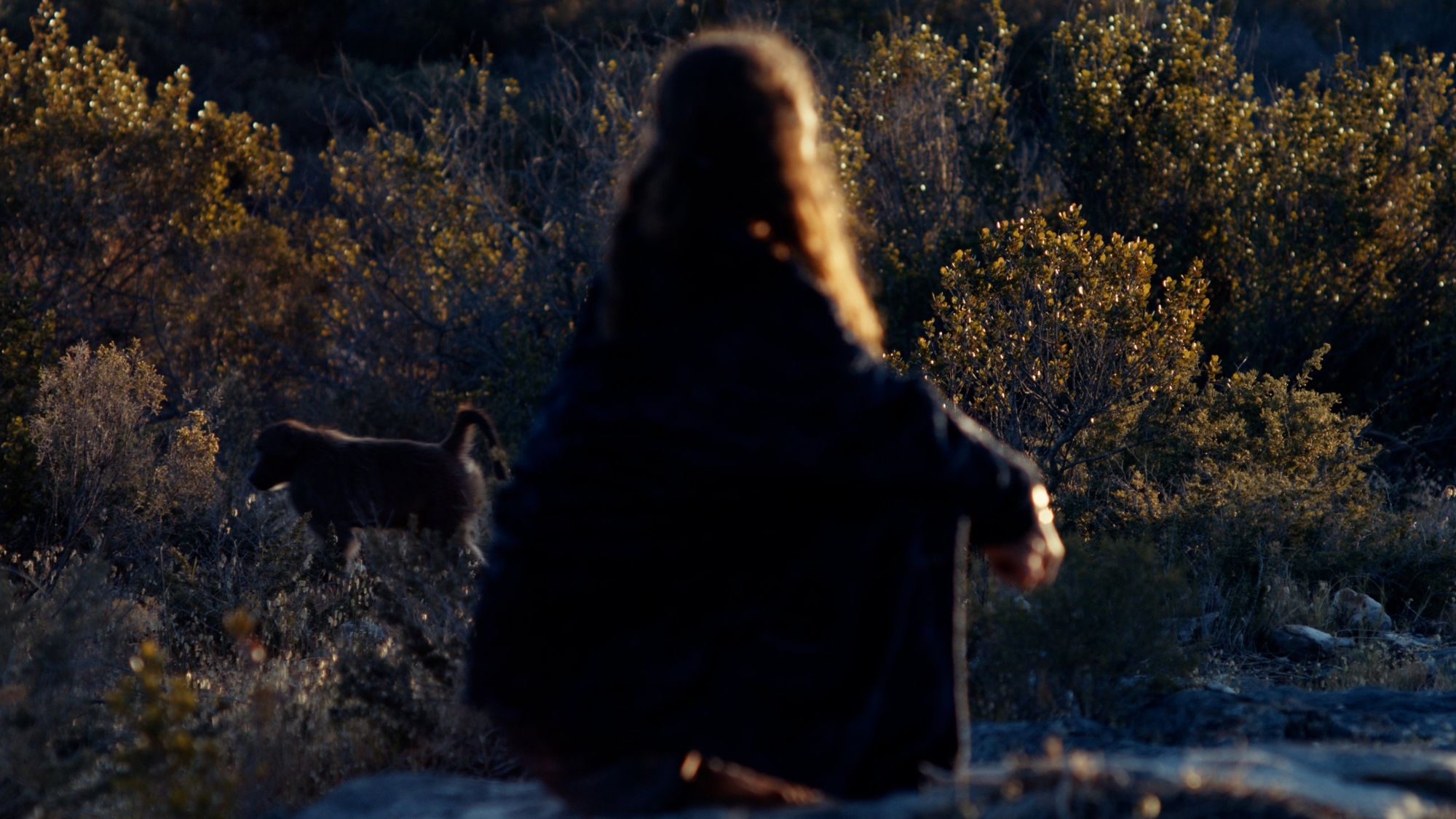
Before we speak about conflict, we want to meet the baboons on their own terms: their family structures, intelligence, relationships and the way they move through the mountains, fynbos and coastline.
They are not simply animals entering human spaces. They are part of this landscape and have been for generations.
Understanding who they are is essential to understanding what might be lost.
Cape Town expanded. Roads, housing, gardens and food sources pushed further into baboon habitat. At the same time, baboons learned to navigate an increasingly human landscape.
Through science and history, the film will look at how management has evolved and why decades of intervention have brought us to this moment.
The story is as much about changing human behaviour as it is about changing baboon behaviour.
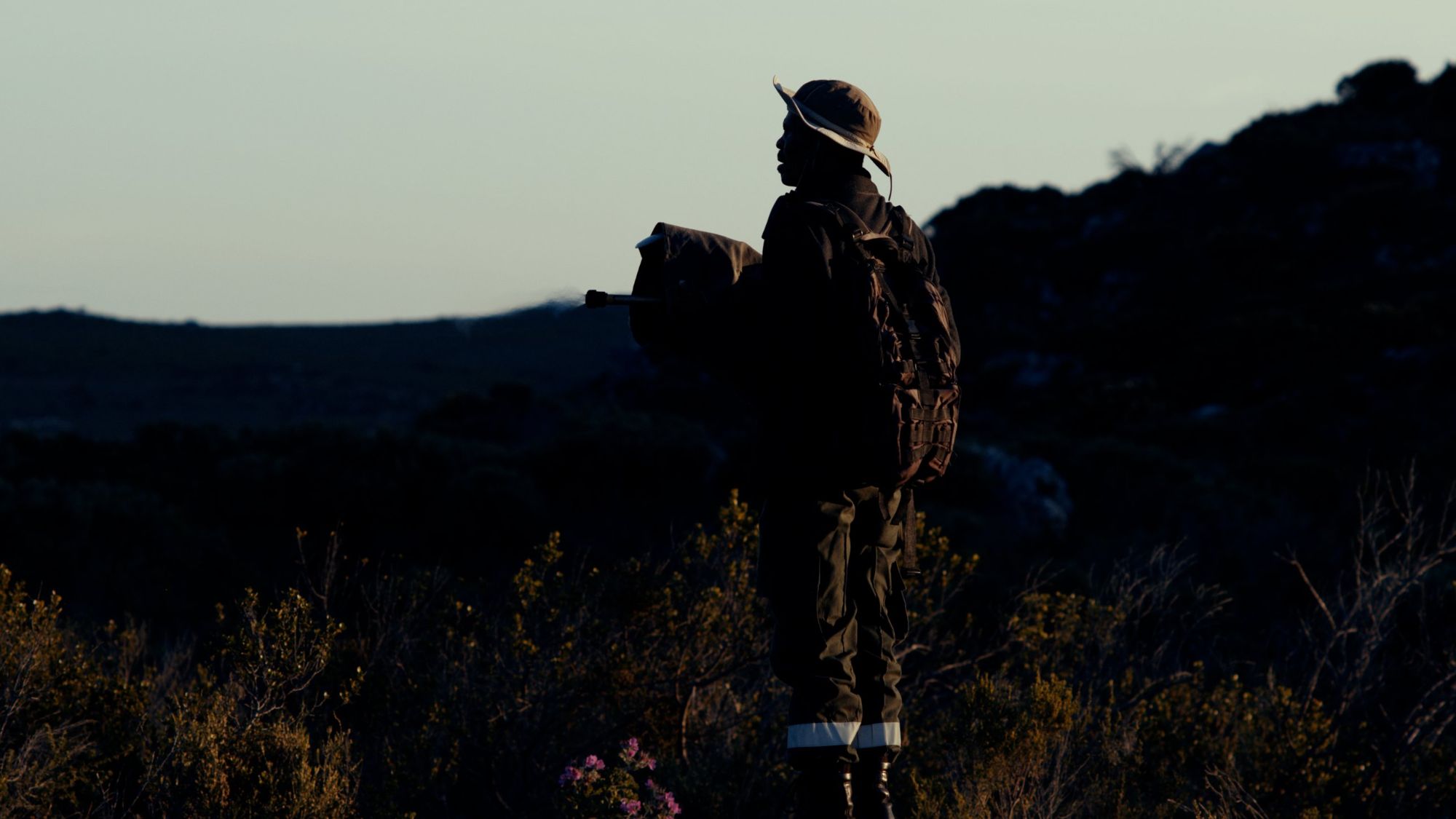
Homes are entered, food is taken, people become afraid and communities grow frustrated. Those tasked with managing the animals face difficult decisions every day. The film will make space for these realities.
We do not want to romanticise coexistence. The challenge is real.
Any meaningful conversation about the future of the baboons has to acknowledge that.
It offers safety, control and a practical response to a problem that has become increasingly difficult to manage.
It represents the permanent removal of wild animals from the landscape they belong to.
The film will explore both perspectives and ask what captivity means for the baboons, the ecosystem and the communities around them.
If we want wildlife to remain wild, what are we prepared to change ourselves?
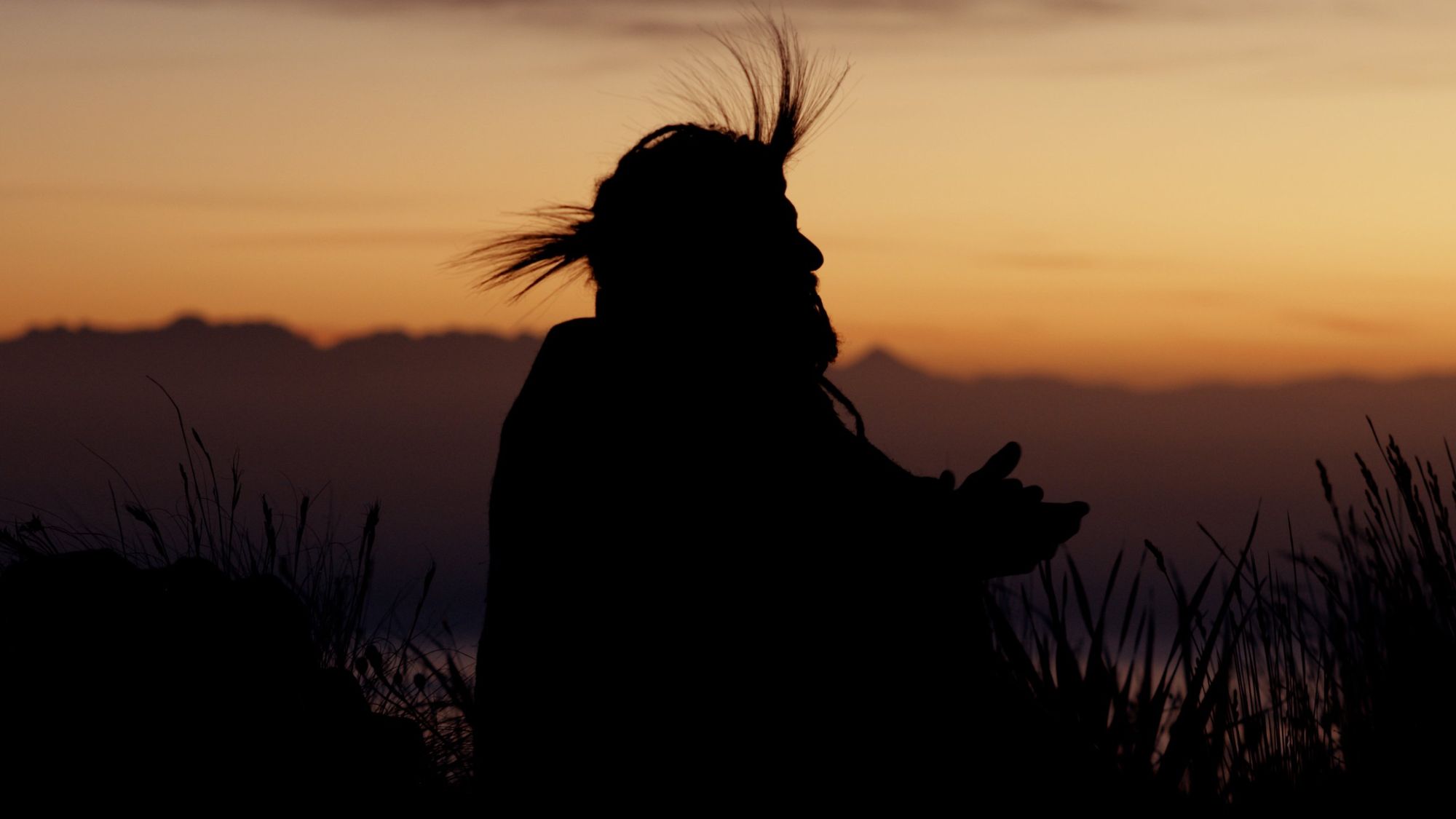
Through Indigenous and ancestral perspectives, we will explore a much older relationship between people, animals and the Cape landscape.
Before suburbs, fences and property lines, humans and wildlife shared this land very differently.
Nature does not exist around us. We are part of it.
What happens when we see wildness as something outside ourselves, something to control, manage or remove?
Perhaps the baboons are showing us something about ourselves.
Science, health, ancestry and life alongside the baboons. More voices to come.
The scientific and historical backbone of the film, after decades with the Peninsula baboons.
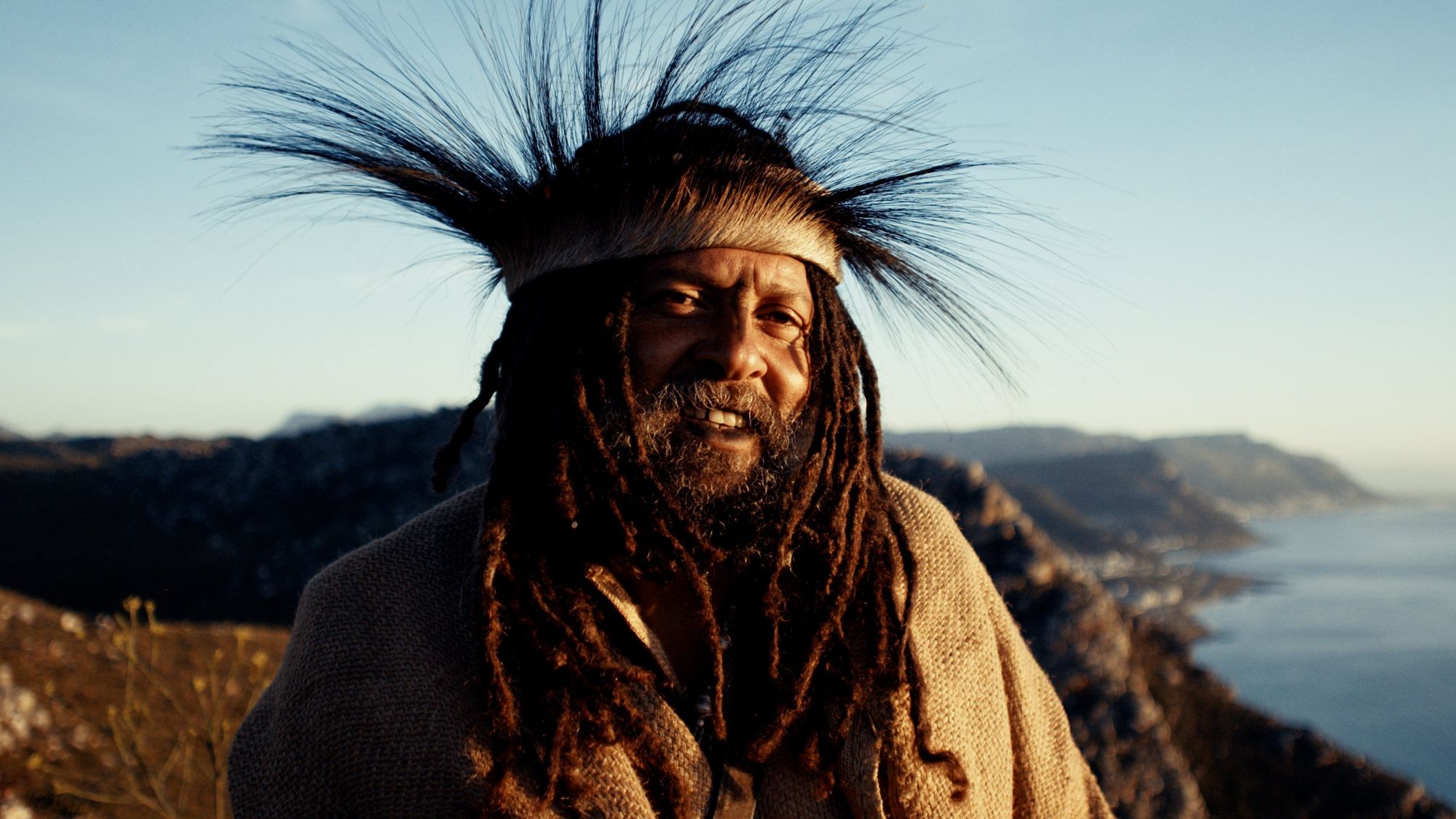
An ancestral perspective: who does this land really belong to?
Why human health depends on the health of the ecosystems around us.
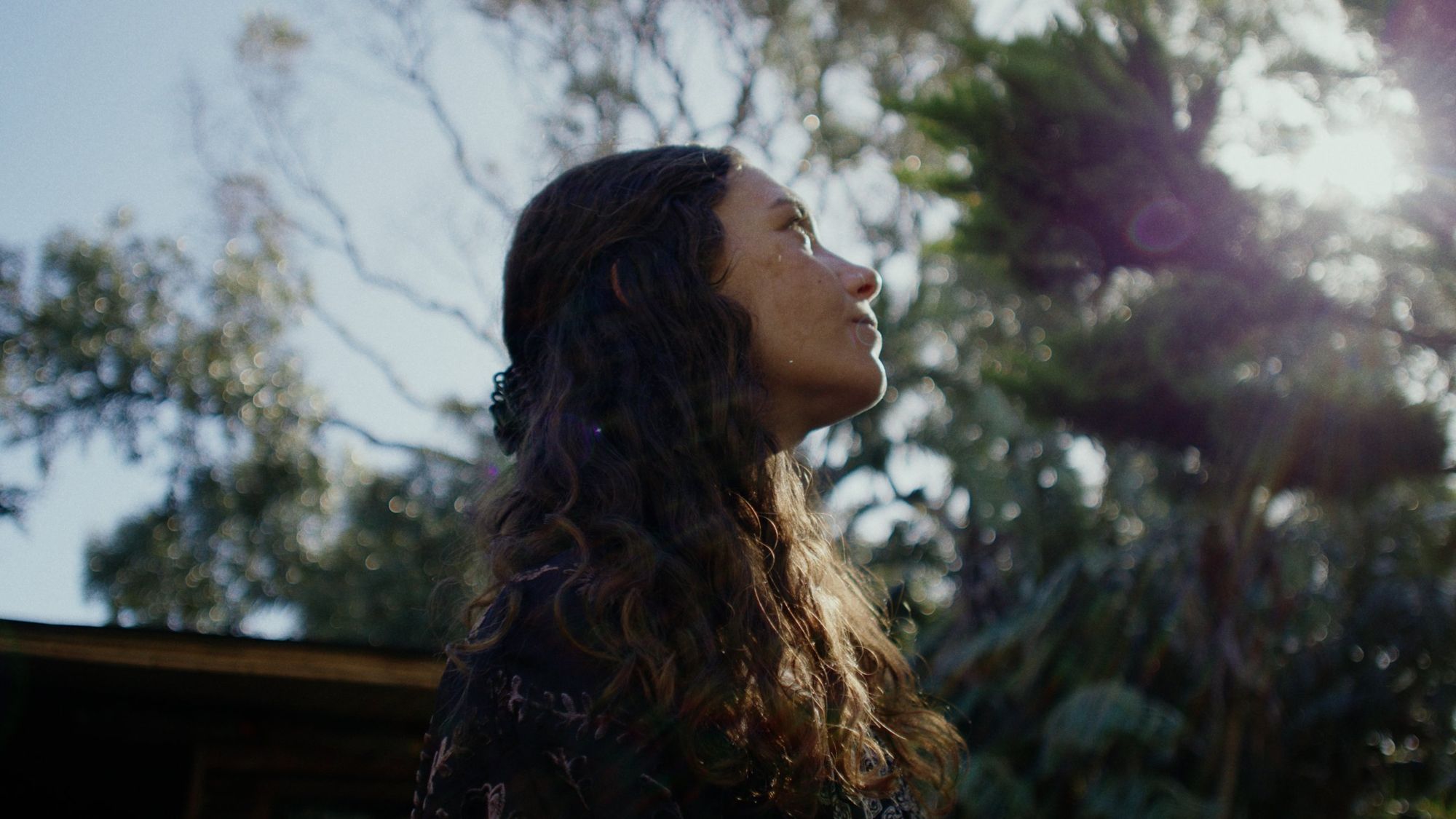
An unfiltered experience of growing up with the baboons as part of her daily life, and the deep emotional connection she shares with them.
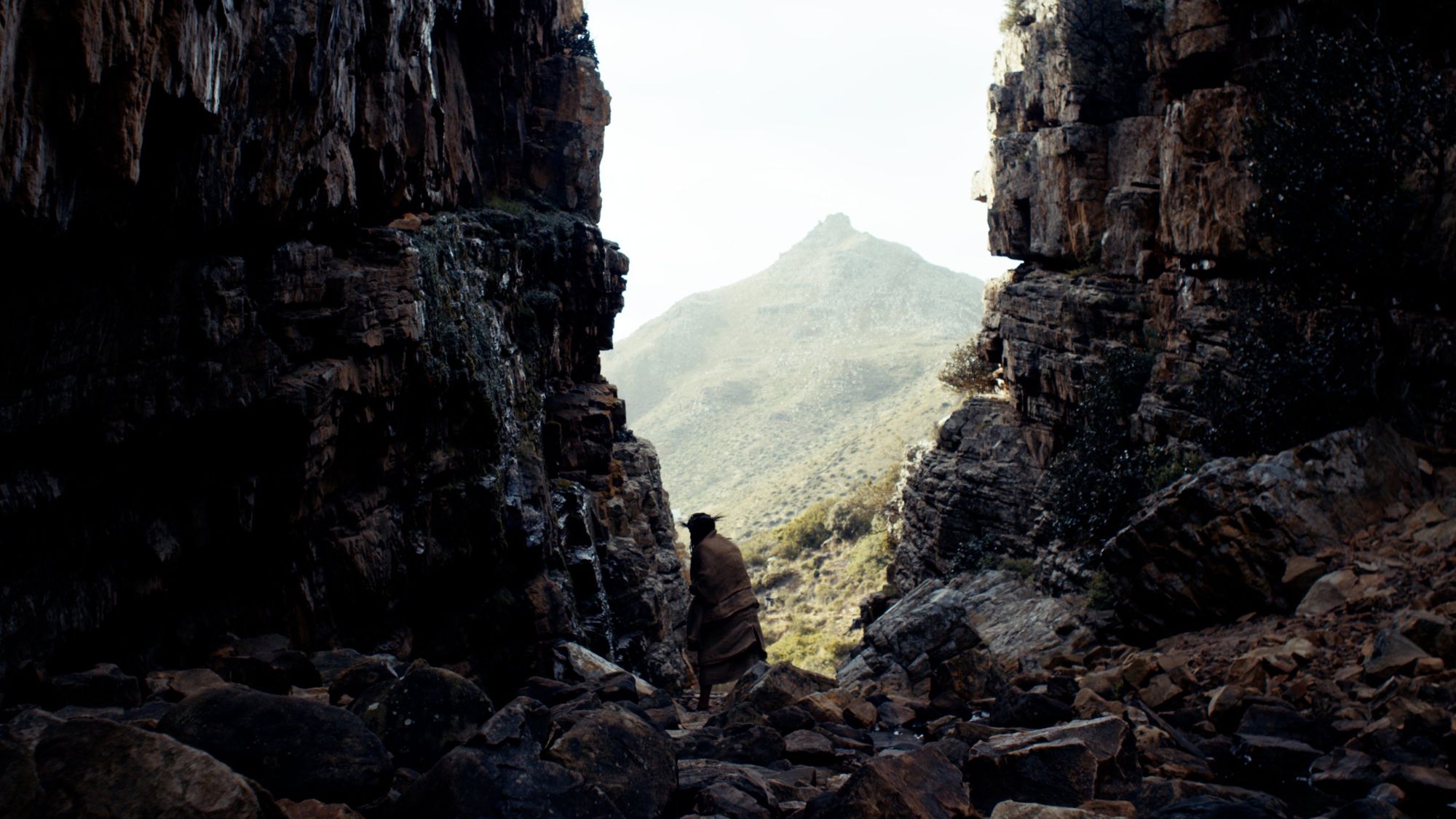
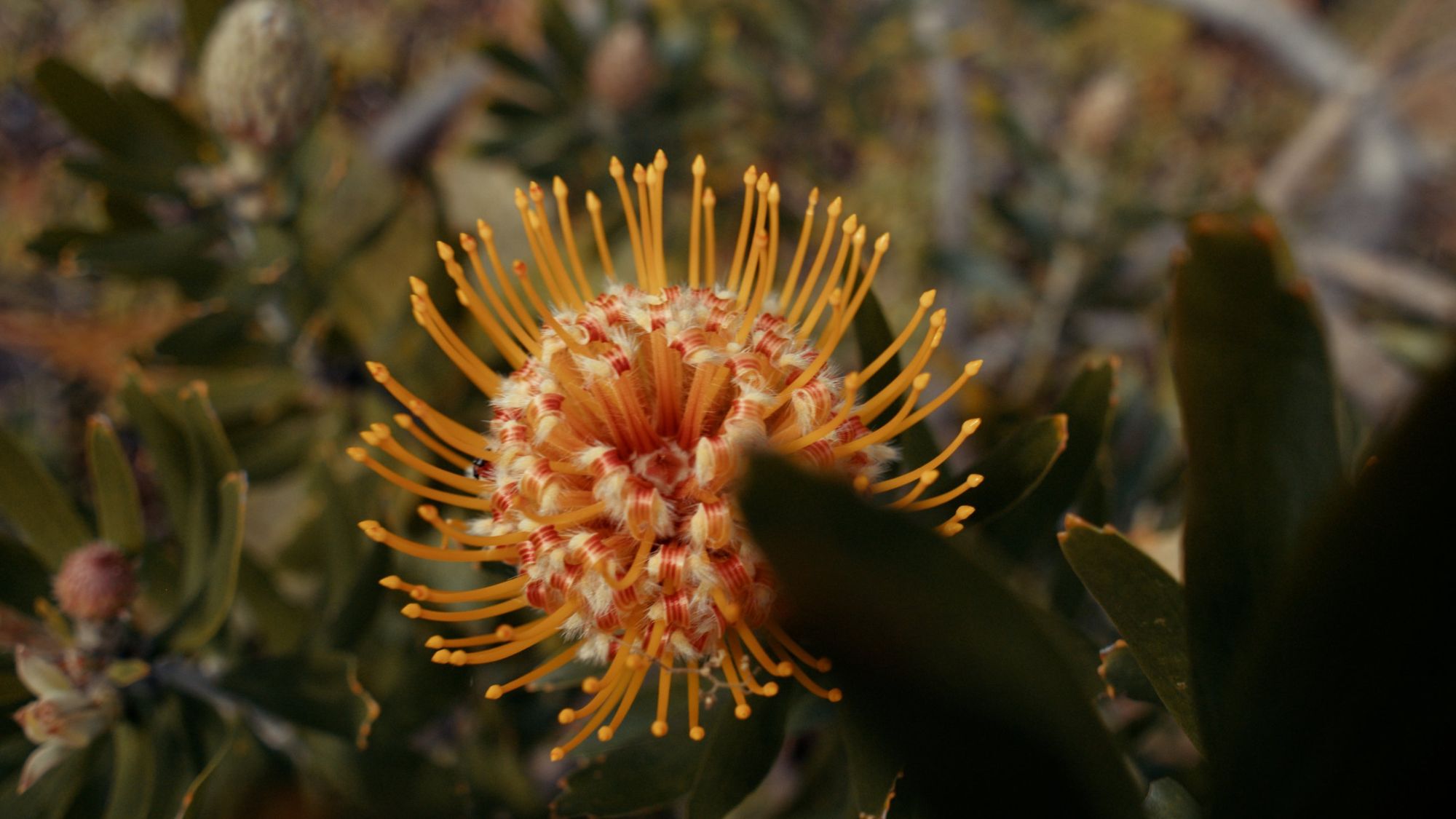
Wide landscapes: mountains, fynbos, cliffs and villages, and the growing presence of houses, roads and fences.
Intimate details that show the baboons as intelligent, social animals rather than simply a management problem. Interviews are filmed in environments that naturally connect each person to the story.
Chants and spoken word from Chief Kingsley as part of the film’s sonic identity.
Original music that holds the emotional arc of the story.
Baboon calls, wind, ocean and birds.
The sounds of the city pushing into the landscape.